Start with geography
A basin with no way out
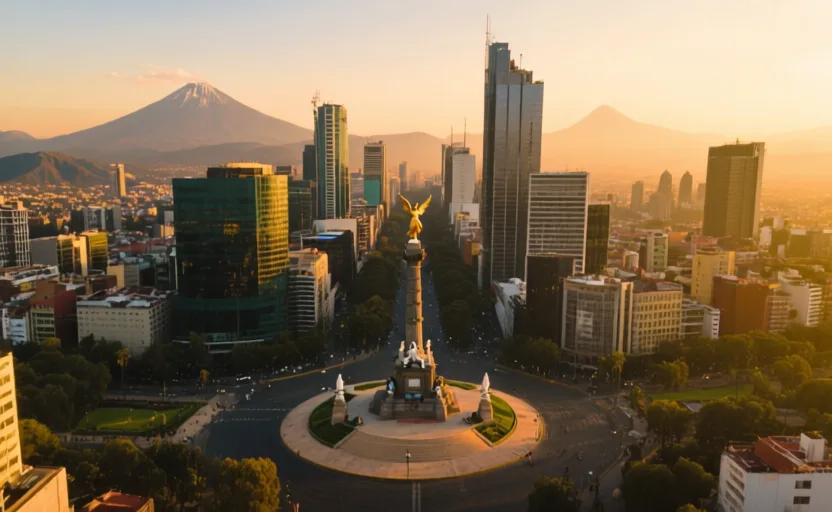
The Valley of Mexico is a high closed basin ringed by mountains. Water that falls in it has nowhere to flow, so historically it collected in a system of shallow lakes on the valley floor — fresh in the south, saltier in the north, with levels rising and falling by season.
A closed basin is a specific hydrological situation. Rain does not drain away; it accumulates and evaporates. That single fact runs through everything that follows, from how the Mexica built to why the modern city floods and sinks at the same time.
Water shapes settlement across Mesoamerica in different ways. Teotihuacan, a large planned city, grew in a valley adjoining this basin centuries before the Mexica arrived. Far to the east in Yucatán, Chichén Itzá sat on natural sinkholes in limestone country with almost no surface rivers at all. Three regions, three completely different water problems.
Answer the check to continue.
Sources for this chapter
- UNESCO · Historic Centre of Mexico City and XochimilcoUNESCO World Heritage Centre · checked 2026-09-07
- UNESCO · Pre-Hispanic City of TeotihuacanUNESCO World Heritage Centre · checked 2026-09-07
- UNESCO · Pre-Hispanic City of Chichen-ItzaUNESCO World Heritage Centre · checked 2026-09-07