Start with geography
Two rivers that behave badly
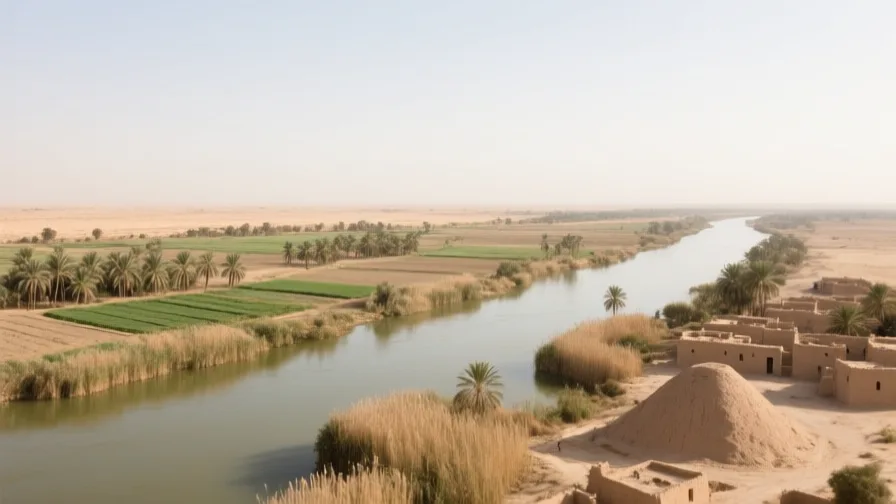
The Tigris and Euphrates rise in the mountains of eastern Anatolia and run south-east across a flat alluvial plain to the Gulf. The plain is fertile and gets almost no useful rain, so agriculture there means irrigation — and irrigation means canals, and canals mean somebody deciding who gets water and when.
These rivers are also unhelpfully timed. Unlike the Nile, whose flood arrives conveniently before the growing season, the Tigris and Euphrates flood in spring, when crops are already in the ground, and run low when the water is most needed. So Mesopotamian agriculture required not just irrigation but storage and flood defence: more infrastructure, more coordination, more people whose job is organising other people.
On the map
Answer the check to continue.
Sources for this chapter
- UNESCO · Ashur (Qal'at Sherqat)UNESCO World Heritage Centre · checked 2026-09-08