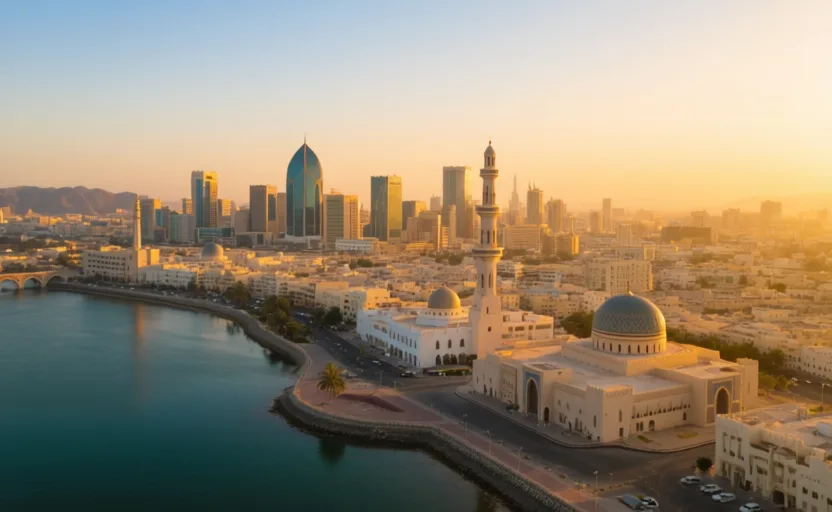
Start with geography
A wind that changes its mind twice a year
The Indian Ocean has something the Atlantic and Pacific do not: a wind system that reverses. In summer the land mass of Asia heats, air rises, and the wind blows from the south-west across the ocean toward it. In winter the process reverses and the wind blows from the north-east.
For a sailing ship this is close to a scheduled service. Sail one way with one monsoon, do your business, and sail home with the other — but only if you leave on time, because miss the window and you wait months. Indian Ocean trade was therefore seasonal, predictable and, crucially, round-trip in a way Atlantic voyaging was not. Merchants overwintered in foreign ports, married there, and built communities strung along both coasts.
On the map
Answer the check to continue.
Sources for this chapter
- UNESCO · Ruins of Kilwa Kisiwani and Ruins of Songo MnaraUNESCO World Heritage Centre · checked 2026-09-08