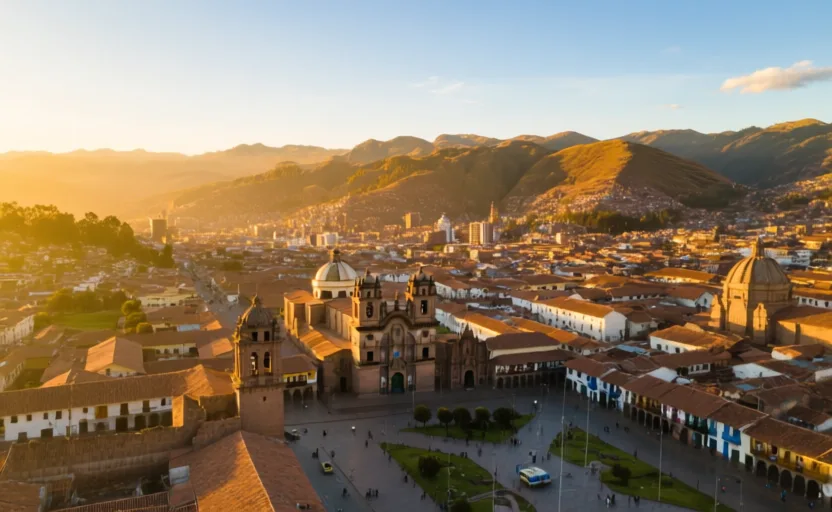
 Cusco · AI city illustration · Artistic impression
Journey · 4 stops
Hard places
What people build where the land does not cooperate.
Does difficult terrain limit what a society can do, or change what it chooses to do?
What you should be able to do after this: Test environmental determinism against four cases, and find the more accurate formulation: terrain sets costs, not outcomes.
Themes: Mountains, deserts & islands · Indigenous & living cultures · Water & environment
- Stop 1 · Cusco · Latin AmericaRunning an empire without a wheelVertical geography, a road network, and knotted cords that carried the accounts.0 of 4 chapters read · about 10 minCusco · AI city illustration · Artistic impression
Andean societies turned a vertical landscape into an insurance system and ran an empire over terrain with no wheels and no draught animals. Now go to a place where the constraint is the opposite: no relief at all, and no water.
- Stop 2 · Timbuktu · AfricaWhere the river meets the desertA port for camels, and a city that measured its wealth in manuscripts.0 of 4 chapters read · about 10 min
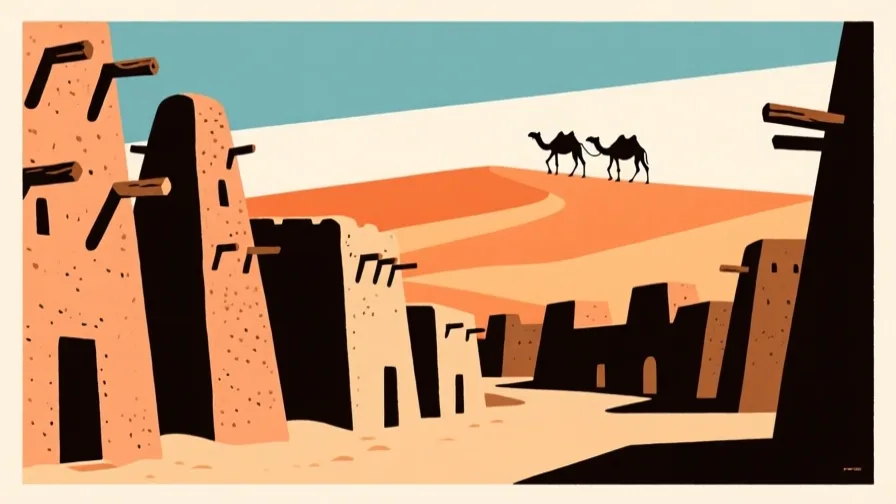 Timbuktu · AI illustration, not a photograph
The desert made Timbuktu's trade valuable precisely because crossing it was hard. Iceland's constraint is a third kind — not distance or aridity, but a landscape that is actively rebuilding itself.
- Stop 3 · Reykjavík · EuropeA country sitting on a seamTwo plates pulling apart, heat under the ground, and an assembly in a rift valley.0 of 4 chapters read · about 8 min
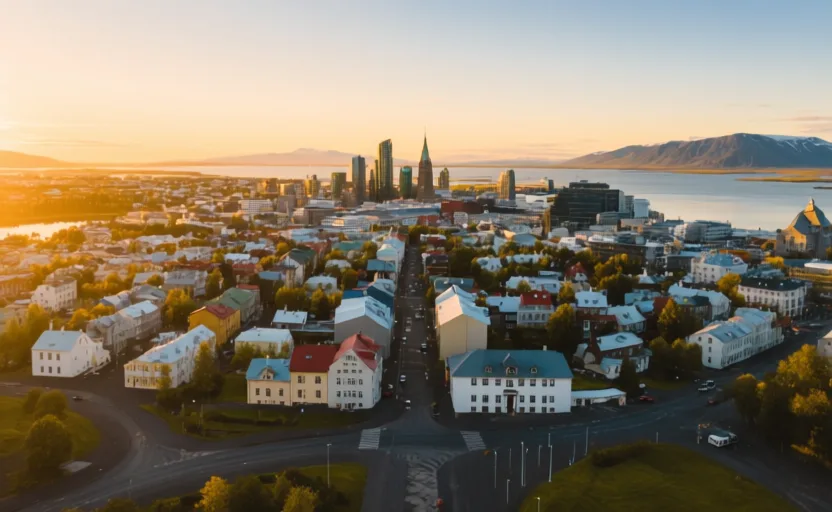 Reykjavík · AI city illustration · Artistic impression
Iceland's hazard is also its energy supply. The last stop is the hardest terrain of all: thousands of kilometres of open ocean, crossed on purpose.
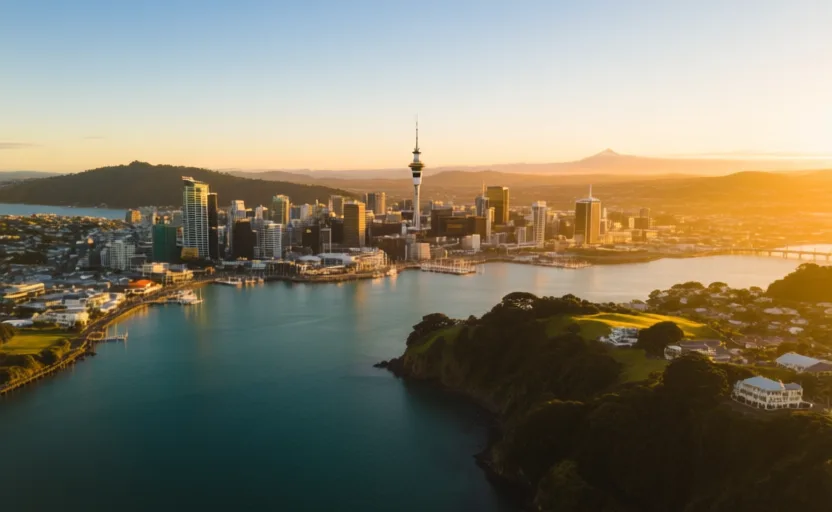
Where this ends up
The synthesis is hidden until you have read the stops — it gives away the pattern the journey is asking you to notice. 4 to go.
Assembled by Globe Quest editorial, last reviewed 2026-09-07. Each stop carries its own sources.