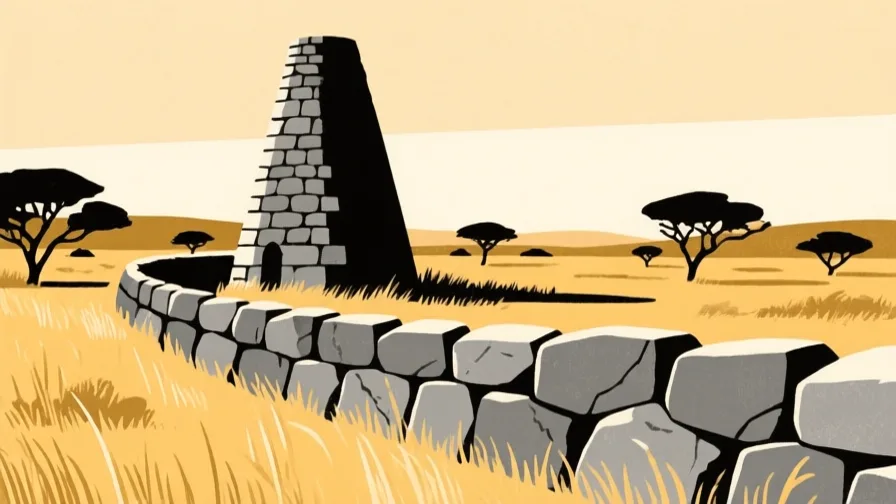
 Great Zimbabwe · AI illustration, not a photograph
Journey · 4 stops
Whose history is it?
Four places where who tells the story changed what the story said.
When a people's history is written mostly by somebody else, what happens to it — and what does correcting that actually involve?
What you should be able to do after this: Recognise the specific mechanisms by which a history gets told wrongly — denial of authorship, a legal fiction, a mistranslation, a language policy — and see what it took to change each one.
Themes: Indigenous & living cultures · Empires & independence · Languages & contact
- Stop 1 · Great Zimbabwe · AfricaStone without mortarA southern African capital, its Indian Ocean trade, and a century of denial.0 of 4 chapters read · about 9 minGreat Zimbabwe · AI illustration, not a photograph
Great Zimbabwe's authorship was denied outright, and the denial had official backing because a monumental African-built capital was politically inconvenient. The next case is subtler: not a denial of who built something, but two texts of one agreement that do not say the same thing.
- Stop 2 · Wellington · OceaniaNavigating to the edge of the mapHow Polynesian voyagers reached Aotearoa, and what a treaty in two languages did next.0 of 4 chapters read · about 10 min
 Wellington · AI city illustration · Artistic impression
At Waitangi the divergence is in the words — sovereignty against kāwanatanga — and it is still the central question in New Zealand constitutional law. In Australia the mechanism was different again: not a disputed text but a doctrine that there was nothing to dispute.
- Stop 3 · Sydney · OceaniaA drowned valley and a penal colonyWhy the First Fleet stopped here, and the country it was declared to be.0 of 4 chapters read · about 9 min
 Sydney · AI city illustration · Artistic impression
Terra nullius held for two centuries and was overturned by a court in 1992. The last stop is a case where the instrument was language policy — a kingdom absorbed, and its languages reclassified as dialects of the absorbing state's.
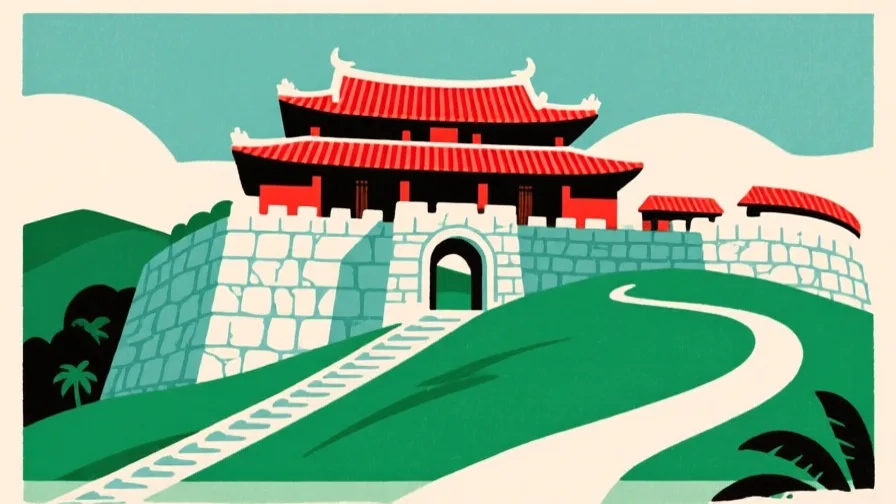
Where this ends up
The synthesis is hidden until you have read the stops — it gives away the pattern the journey is asking you to notice. 4 to go.
Assembled by Globe Quest editorial, last reviewed 2026-09-08. Each stop carries its own sources.