 Petra · AI illustration, not a photograph
Journey · 4 stops
Who controls the water
Four states whose authority rested on moving water, storing it, or getting rid of it.
When a state's power depends on a water system, what happens to it when the system fails?
What you should be able to do after this: See water infrastructure as political infrastructure, and recognise that hydraulic systems fail gradually through maintenance and strain rather than suddenly through catastrophe.
Themes: Water & environment · Empires & independence · How cities work
- Stop 1 · Petra · Middle EastA city in a place with no waterHow the Nabataeans made a desert canyon support a trading capital.0 of 4 chapters read · about 8 minPetra · AI illustration, not a photograph
Petra converted flash floods into stored supply, and everything else it was rested on that. Angkor did the same thing at a hundred times the scale, and its failure is better documented.
- Stop 2 · Angkor · Southeast AsiaA city that ran on water managementReservoirs, canals, monsoon, and what happens when the system stops working.0 of 4 chapters read · about 9 min
 Angkor · AI illustration, not a photograph
Angkor's decline looks like a strained system meeting a run of bad years, not a single catastrophe. Mexico City inverts the problem: not storing water, but removing it.
- Stop 3 · Mexico City · Latin AmericaThe city that drained its own lakeTenochtitlan, four centuries of drainage, and the ground still sinking.0 of 4 chapters read · about 10 min
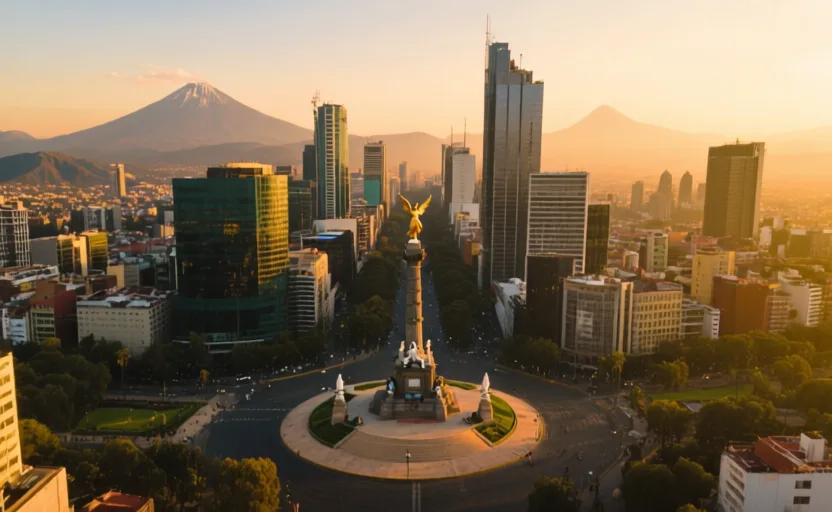 Mexico City · AI city illustration · Artistic impression
Draining a lake solved flooding and created subsidence, which brought the flooding back. Venice faces the same arithmetic from the other side — a city that never tried to remove its water and is now losing to it anyway.
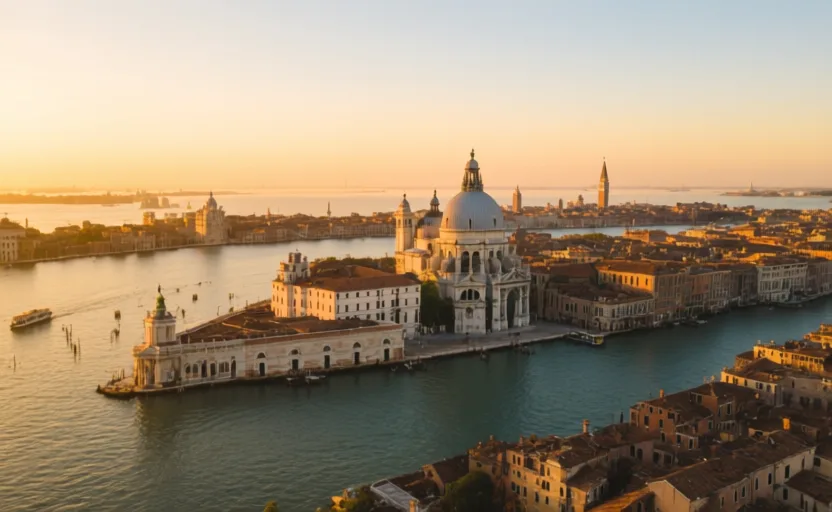
Where this ends up
The synthesis is hidden until you have read the stops — it gives away the pattern the journey is asking you to notice. 4 to go.
Assembled by Globe Quest editorial, last reviewed 2026-09-07. Each stop carries its own sources.